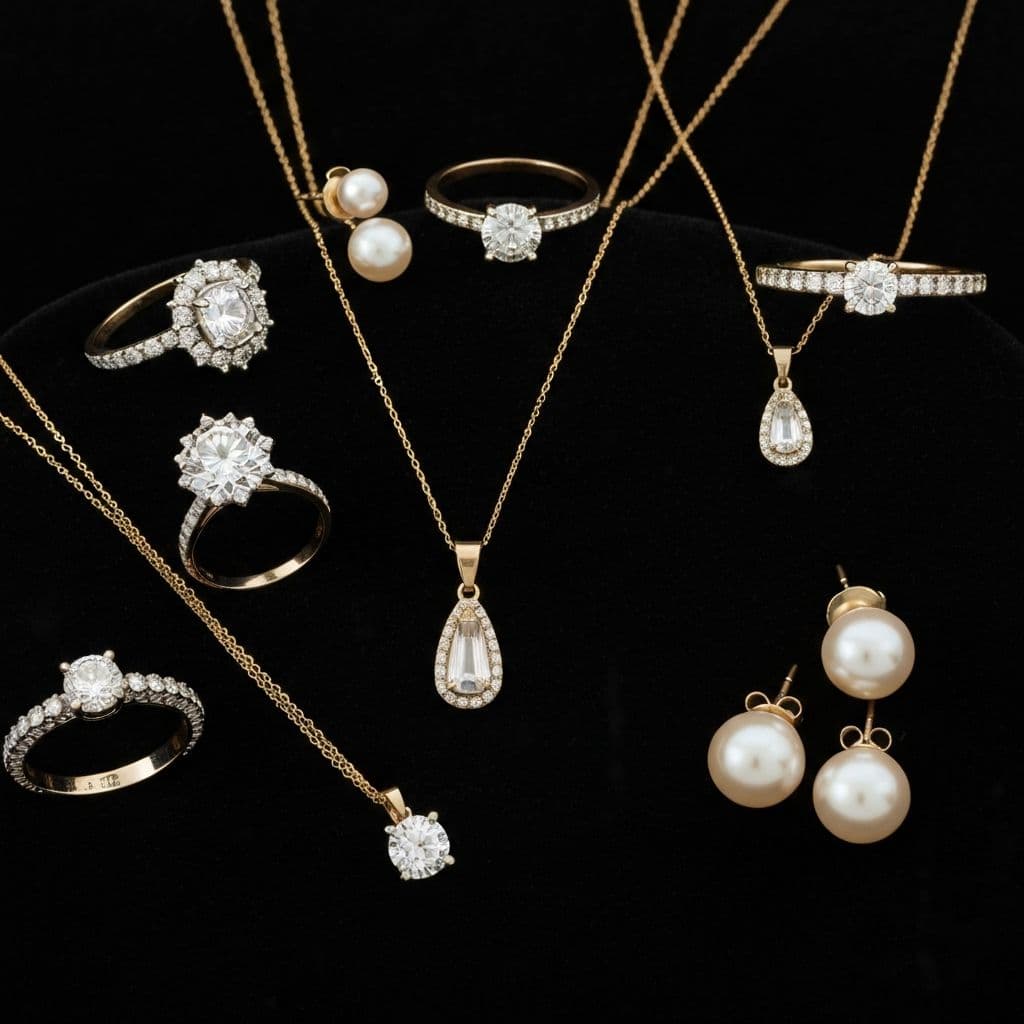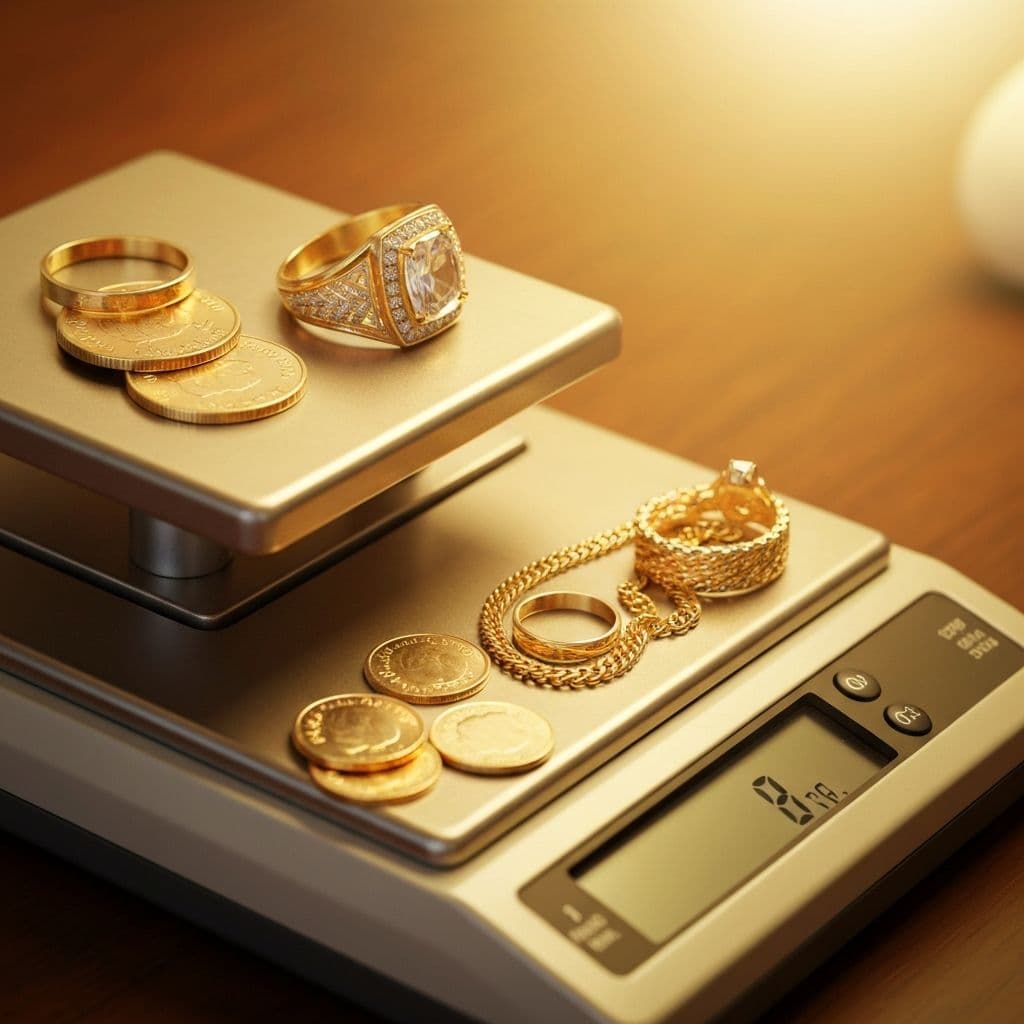
Quick answer: A fair offer for gold jewelry is typically 70–85% of melt value, calculated as weight × purity × current spot price. Look up today's spot price before any appointment, demand to see the scale and the math, and walk away from any buyer who refuses to show their calculation. The full guide below shows exactly how the numbers work.
Understanding the Spot Price (And Why It Matters)
Gold has a global benchmark price called the spot price — the current market price per troy ounce for pure gold. It fluctuates minute by minute based on global markets and is publicly available on sites like Kitco or Bloomberg.
When you sell gold, you will receive a percentage of the spot price, not the full amount. This is normal and expected — the buyer needs margin to process the metal, run their business, and make a profit.
What is not normal is being offered a tiny fraction of spot without explanation. Before any appointment, look up the current spot price of gold. Knowing this number is your single most powerful tool in any gold selling transaction.
Know What You Have: Karat and Weight
Gold jewelry is almost never 100% pure gold. It is alloyed with other metals for durability. The karat marking tells you the gold content:
- 24K = 99.9% pure gold
- 18K = 75% gold
- 14K = 58.3% gold
- 10K = 41.7% gold
Look for a stamp inside rings, on clasps, or on the back of pendants. Common stamps: 10K, 14K, 18K, 585 (14K), 750 (18K), 417 (10K).
The weight of your gold is measured in troy ounces or grams. A kitchen scale gives you a rough idea but a jeweler's scale is far more precise. Having even a rough weight estimate helps you sanity-check any offer you receive.
How Reputable Gold Buyers Calculate Your Offer
A transparent calculation looks like this:
Step 1: Weigh the piece in grams. Step 2: Multiply by the gold purity percentage (14K = 0.583). Step 3: Convert to troy ounces (divide by 31.1). Step 4: Multiply by current spot price. Step 5: Apply a percentage payout (typically 70–85% for jewelry, higher for coins and bars).
For example: 10 grams of 14K gold at a $2,000 spot price with an 80% payout: 10 × 0.583 = 5.83 grams pure gold 5.83 ÷ 31.1 = 0.1875 troy oz 0.1875 × $2,000 = $375 melt value $375 × 0.80 = $300 offer
Any reputable buyer should be willing to show you this math. If they are not, that is a red flag.
5 Red Flags to Watch Out For
1. Pressure tactics. Legitimate buyers do not need you to decide on the spot. If you are being rushed or told the offer expires immediately, walk away.
2. No scale in sight. Gold buying requires weighing. If a buyer makes an offer without weighing your pieces, they are either guessing or hiding something.
3. Vague or unexplained offers. You should be able to see the weight, karat, and calculation. If a buyer just says "I can give you $200 for all of it" without explanation, that is not transparency.
4. Pawnshop vs. dedicated jeweler pricing. Pawnshops often need larger margins because they hold inventory, carry overhead from multiple product categories, and need to re-sell items — not just melt them. A jeweler who also buys gold as a core service often offers better rates because their cost structure is different.
5. "We test for free" but won't tell you the results. Acid testing and XRF testing determine karat. A buyer should tell you the result of any test — it is your property.
What Gets You the Best Price
Get multiple offers. The more offers you collect, the better sense you have of market rate. Reputable buyers welcome comparison shopping — it builds trust.
Sell by karat. Higher karat = higher purity = higher value per gram. If you have 18K and 10K pieces, understand that they will be valued very differently.
Know designer value. Melt value is only one dimension. A vintage Tiffany or Cartier piece may be worth significantly more to a collector or dealer than its gold content. Consider getting an appraisal before selling any piece with designer markings or unusual characteristics.
Bring documentation. Original receipts, appraisals, or certificates of authenticity support higher offers, particularly for diamonds and fine pieces.
Come during business hours. A rushed buyer at end of day may offer lower prices. An unhurried conversation gets better results.
Why Sky & Co. Offers Transparent Gold Buying
At Sky & Co. Jewelry in Georgetown, we built our gold buying process around transparency because we believe informed customers make better long-term relationships. We show you the scale, explain the karat test results, and walk through the calculation with you.
We pay competitive rates because we process gold efficiently and our business model does not depend on an information asymmetry with sellers. Bring in your gold, silver, or platinum items — coins, bars, jewelry, or scrap — for a free, no-obligation assessment.